What to Expect During a Professional Metal Roof Installation
People searching for metal roof installation are typically looking to understand the process and how local contractors can expertly handle the job.
Understanding what to expect during a professional metal roof installation can help property owners feel more prepared and confident throughout the process. Local contractors who specialize in metal roofing typically follow a series of standard steps, from initial assessment and preparation to the final inspection. Knowing these stages can clarify what will happen on the day of installation, what kind of disruptions might occur, and how the project is managed to ensure quality results. This knowledge can be especially useful for property owners seeking a durable, long-lasting roofing solution and wanting to partner with experienced service providers who understand the nuances of metal roofing systems.
For property owners in the area considering a metal roof upgrade, understanding the installation process can also highlight the benefits of working with local service providers. These professionals are familiar with the local building codes, weather conditions, and best practices that influence roofing projects. As a result, they can help ensure the installation proceeds smoothly and meets all necessary standards. Keeping informed about what to expect during a professional metal roof installation encourages a more seamless experience and helps property owners make confident decisions when connecting with trusted local contractors.
- Metal roof removal - needed when existing roofing materials require careful removal to prepare for the new installation, with local contractors ensuring proper disposal and safety.
- Roof deck inspection and repair - essential before installation to address any structural issues, with service providers thoroughly assessing and reinforcing the roof deck as needed.
- Metal panel installation - required during the main phase of a metal roof project, with local pros expertly aligning and securing panels for durability and performance.
- Sealant and flashing application - important for weatherproofing and preventing leaks, with contractors applying high-quality materials to seams and edges.
- Final inspection and cleanup - performed after installation to ensure quality standards are met, with service providers removing debris and confirming the roof’s integrity.
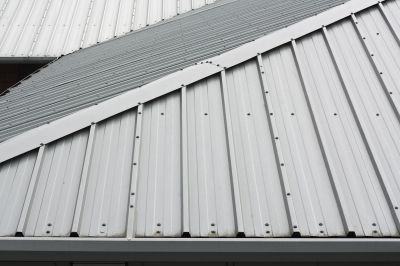


When homeowners search for information about what to expect during a professional metal roof installation, they are often seeking a clear understanding of the process involved in upgrading or replacing their current roofing system. This includes details about how the work is typically carried out, what steps are involved, and what kind of preparations or considerations they should anticipate. Many are planning to improve the durability, appearance, or energy efficiency of their property, and want to know how a professional installation will ensure quality results. Understanding this process helps homeowners feel more confident about their project and allows them to better coordinate with local service providers who specialize in metal roofing.
The topic is closely related to common property concerns such as roof durability, weather resistance, and long-term maintenance. Homeowners may be replacing an aging or damaged roof, or they might be installing a new roof as part of a renovation or a new construction project. Metal roofing is often chosen for its longevity and strength, making it a popular upgrade for residential homes, commercial buildings, or multi-family properties. Planning a metal roof installation also involves considering the existing roof structure, potential modifications needed for proper support, and how the new material will integrate with the property's overall design.
Properties that frequently come up in discussions about metal roof installations include single-family homes, especially those in areas prone to severe weather, as well as small commercial buildings, barns, or outbuildings. These structures often benefit from the durability and low maintenance that metal roofing provides. Homeowners with steep or complex roof designs may also seek professional guidance to ensure proper installation. Local service providers are experienced in handling different types of properties, from traditional residential homes to more specialized structures, ensuring the installation process addresses the specific needs of each property type.
During a typical professional metal roof installation, homeowners can expect a systematic approach that includes thorough site preparation, removal of the existing roofing material if necessary, and careful assessment of the underlying structure. The process usually involves installing a solid underlayment, followed by the placement of metal panels or shingles, with attention paid to weatherproofing and secure fastening. Homeowners should be aware that some disruption may occur during the work, but experienced local contractors aim to complete the project efficiently while maintaining a clean work environment. Knowing what to expect during this process helps homeowners plan accordingly and ensures they select qualified local pros who can deliver a professional, high-quality installation.
Roof Repair Projects - These projects require similar skills in assessing roof conditions, working at heights, and using specialized tools, making them comparable to metal roof installation tasks.
Commercial Roofing Installations - Installing large-scale commercial roofs involves planning, precise material handling, and safety protocols akin to those used during metal roof installations.
Metal Siding Replacement - Replacing or installing metal siding shares techniques related to material handling, cutting, and fastening, which are also essential during metal roof setup.
Skylight and Vent Installation - Adding skylights or vents involves precise cutting and sealing, skills that are relevant for ensuring proper integration during a metal roof installation.
Gutter and Drainage System Installation - Installing gutters and drainage involves planning and working with roofing components, complementing the skills needed for metal roof projects.
Attic Insulation and Ventilation Projects - These projects require understanding of roofing structures and airflow, which are important considerations during a professional metal roof installation.
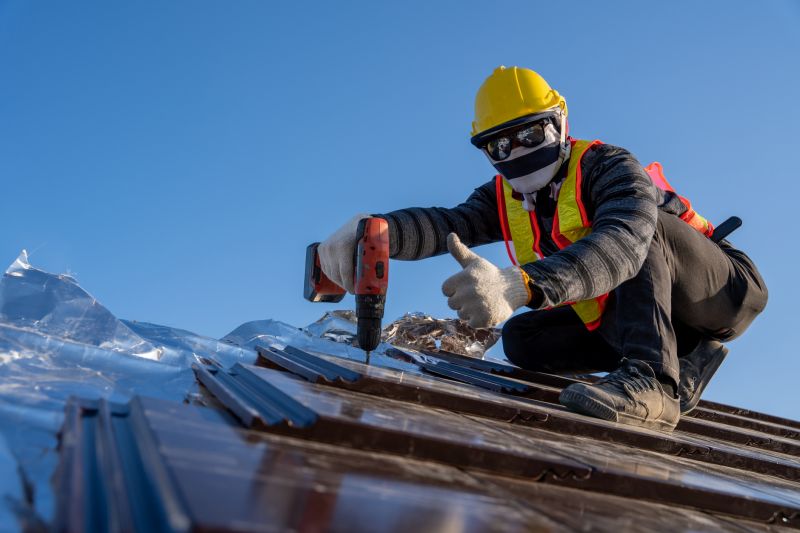
When comparing service providers for a metal roof installation, it’s important to evaluate their experience with similar projects. Homeowners should look for local contractors who have a proven track record of handling metal roofing installations comparable in scope and style to their own. An experienced professional will be familiar with common challenges and best practices, helping to ensure a smooth process and a quality result. Gathering information about previous work, either through references or portfolio examples, can provide insight into a contractor’s familiarity with the specific requirements of metal roofing projects, giving homeowners confidence in their expertise.
Clear, written expectations are essential when choosing a local contractor for a metal roof installation. Service providers should be able to provide detailed descriptions of what to expect during the process, including the steps involved, materials used, and any preparations necessary on the homeowner’s part. Having this information in writing helps prevent misunderstandings and ensures everyone is aligned on the project’s scope. Homeowners are encouraged to ask for comprehensive estimates and project outlines, which can serve as a useful reference throughout the installation and help set realistic expectations for the work involved.
Reputable references and good communication are key factors when selecting local contractors for a metal roof installation. A trustworthy service provider should be able to furnish references from past clients who had similar projects. Speaking with previous customers can reveal insights into the contractor’s professionalism, reliability, and quality of work. Additionally, effective communication throughout the process-prompt responses, transparency about progress, and willingness to address questions-can significantly impact the overall experience. Homeowners should prioritize contractors who demonstrate clear, open dialogue and a commitment to keeping them informed at every stage of the installation.
Property owners often search for what to expect during a professional metal roof installation when they are planning practical projects around their homes and businesses. Local pros provide Metal Roof Installation services for everyday jobs and straightforward project options.
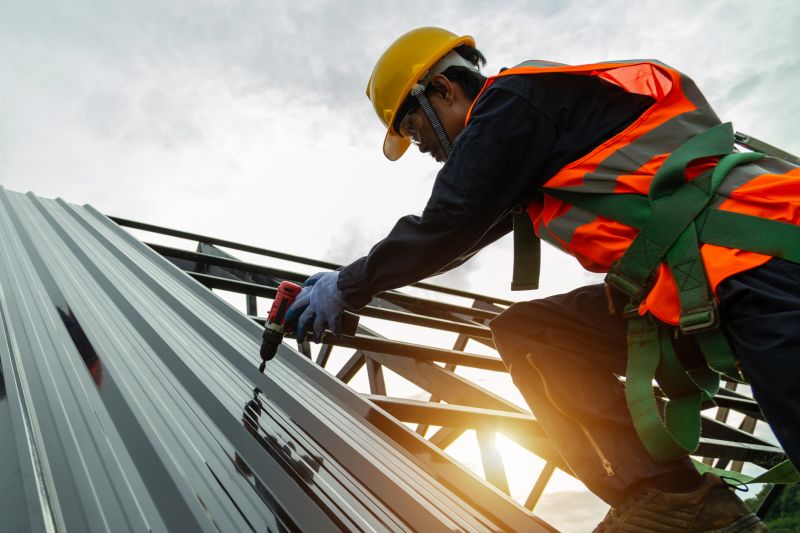
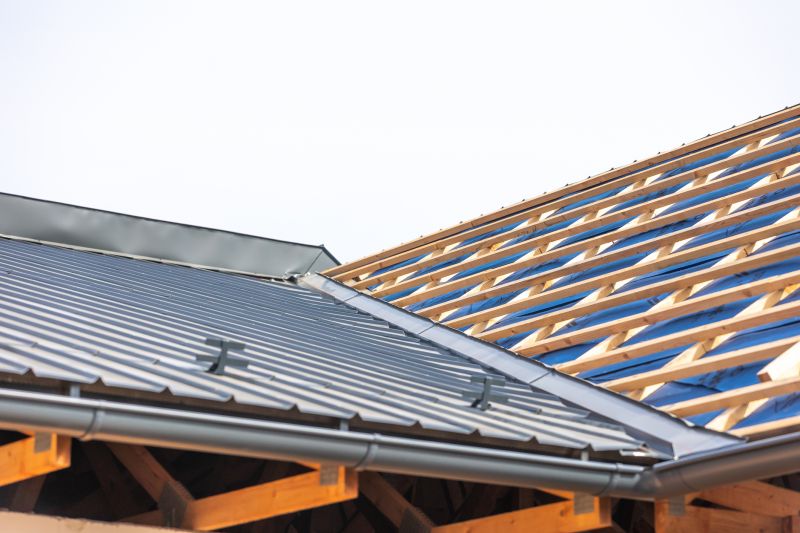
During a professional metal roof installation, property owners can expect a typical process that involves preparation, assessment, and careful execution by local contractors. On the day of the project, the work site may be temporarily organized to ensure safety and efficiency, with some areas of the property possibly being protected from debris or dust. Local service providers usually start by removing the existing roofing material if necessary, followed by inspecting the underlying structure to ensure it can support the new metal roof. Throughout the installation, homeowners might notice the use of specialized tools and materials designed to ensure durability and proper fit, with the crew working systematically to complete each stage of the process.
Property owners in the area often look up information about metal roof installation to better understand what to expect during the project and to find reliable local professionals for the job. They may be interested in learning about how the installation process impacts their property, including potential disruptions or the need for temporary adjustments. Knowing what steps are involved helps homeowners feel more prepared and confident in choosing experienced local contractors who can handle the installation efficiently and with attention to detail. This understanding can also assist in planning around the project timeline and ensuring the property is ready for the work ahead.
What steps are involved during a professional metal roof installation? During a metal roof installation, local contractors typically prepare the existing roof, install underlayment, and then carefully place and secure the metal panels to ensure proper fit and durability.
What should I expect in terms of noise during the installation process? Metal roof installation can produce some noise, such as hammering and cutting, but experienced service providers usually manage this efficiently to minimize disruption.
Will there be any disruptions to my property during the installation? Installation activities may involve equipment and materials around the property, but reputable local contractors aim to keep disruptions minimal and clean up thoroughly afterward.
How do professionals handle the measurement and fitting of the metal panels? Local pros precisely measure the roof and customize panel sizes as needed, ensuring a proper fit and a seamless appearance for the finished roof.
What kind of finishing touches or inspections happen after installation? After installing the metal roof, service providers typically conduct a final inspection to ensure all panels are secure and properly aligned, and they may perform minor adjustments if necessary.
Preparation and Site Setup - Property owners should ensure the installation area is clear of debris and obstacles to facilitate a smooth process with local contractors.
Material Selection and Planning - Discussing available metal roofing options helps homeowners choose styles and finishes that match their property's aesthetic with local pros.
Protection and Safety Measures - Property owners can prepare for installation by protecting landscaping and outdoor furnishings as local service providers set up safety barriers.
Understanding the Installation Process - Knowing what steps are involved allows property owners to plan around the installation, ensuring minimal disruption during the project.
If you are thinking about what to expect during a professional metal roof installation for a property, this guide is meant to help you understand this topic, the typical project types, and how different options might fit your plans.
When you are ready, you can use the quote form on this page to share a few details about your project. From there, local pros can review the basics and follow up with options that match what you have in mind.